Futureproofing your custom build without over-engineering it
Updated: 6 days ago
When you’re designing a custom home, it’s natural to think beyond how you live today. A home may need to accommodate young children now, teenagers later, changing work arrangements, ageing parents, frequent guests or eventually a quieter household altogether.
But futureproofing doesn’t mean trying to predict every possible version of your life. Nor does it mean filling your home with technology and features you may never use.
The most successful approach is often much simpler: design a home that works exceptionally well now, while making thoughtful decisions that give it the flexibility to evolve with you.

Design for change, not a single moment in time
A custom home should reflect the way you live, but it shouldn’t be so specific to one stage of life that it becomes difficult to adapt later. Consider how rooms might serve different purposes over time.
A playroom while children are young could eventually become a study, second living area or retreat. A ground-floor guest suite may provide privacy for visitors now and offer an alternative to upstairs bedrooms later. A home office could be designed with enough flexibility to become an additional bedroom if circumstances change.
The aim isn’t to create a home full of multipurpose spaces with no clear identity. Each room should still work beautifully for its intended purpose today. It's simply about considering what else that space could become tomorrow.

Build flexibility into the floor plan
One of the advantages of building a custom home is the opportunity to think carefully about how spaces relate to one another. Rather than only considering the number and size of rooms, think about circulation, privacy and whether areas of the home could function differently as your needs change.
This might mean creating separation between the primary suite and secondary bedrooms, allowing a living zone to be closed off when required or positioning a guest suite where it can operate with a degree of independence.
Generous storage, accessible bathrooms and thoughtful zoning can also give a home greater longevity without making it feel as though it has been designed around a hypothetical future. Good flexibility is rarely obvious. It’s simply built into the way the home works.
Be selective with smart technology
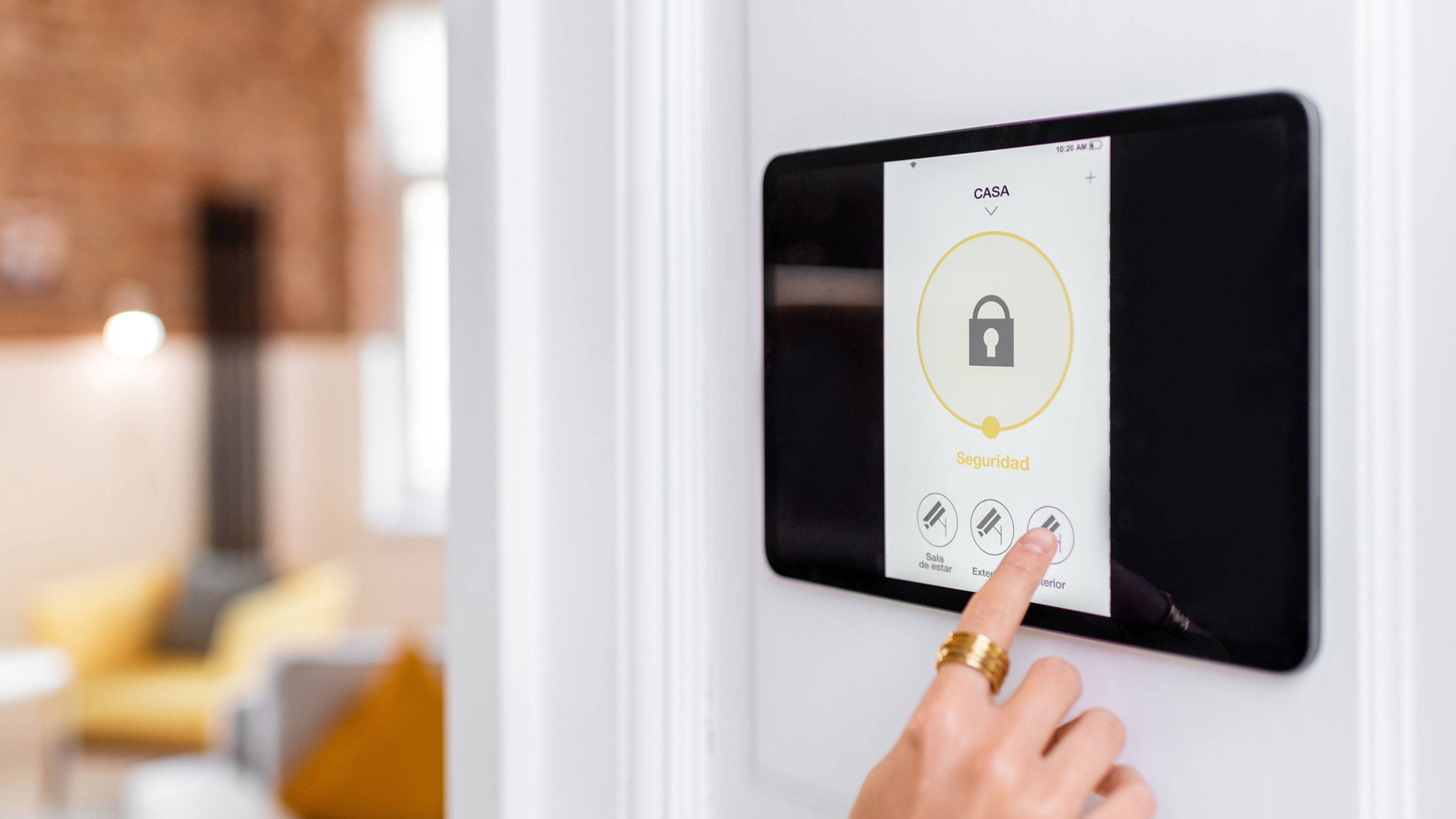
Technology can add genuine convenience to a home, but it’s also one of the easiest areas to overcomplicate. We see many of our clients express the need for certain technologies or smart advancements in their home simply because they feel they should have it, not because they need it.
Integrated lighting, security, climate control, automated blinds and energy management can all be valuable when they solve a genuine need or improve the everyday experience of the home.
Rather than asking, “What technology can we include?”, consider what will genuinely make the home better to live in.
Technology also evolves far more quickly than the building around it. A system that feels cutting-edge during the design stage may be outdated well before the home itself.
Where possible, prioritise reliable infrastructure and systems that can be upgraded or replaced over time. Good connectivity, thoughtful electrical planning and provision for future technology can often be more valuable than committing every function of the home to a highly specialised system. The smartest home isn’t necessarily the one with the most technology. It’s the one where technology has been used with purpose.
Think ahead where changes would be difficult later
Some decisions are relatively easy to change after handover. Others aren’t. This is where structural foresight becomes particularly valuable.
Ceiling heights, structural openings, service locations, electrical capacity and plumbing are considerably more difficult to alter once a home has been completed. Depending on the home and the client’s long-term plans, it may make sense to consider provisions for solar and battery systems, electric vehicle charging, additional electrical capacity or future accessibility requirements during the design stage.
That doesn’t necessarily mean installing everything immediately. Sometimes futureproofing is simply making an allowance now so that an option remains available later.
Avoid complexity for complexity’s sake
When building at the high-end, there can be a temptation to assume that more features, systems and specifications automatically result in a better home.
They don’t. Every additional system introduces another element that may eventually require maintenance, servicing, upgrading or replacement.
The same principle applies to the architecture itself. Complexity can be justified when it serves the design, but unnecessary complexity can add cost without meaningfully improving how the home looks, feels or functions. A considered custom home isn’t defined by how much has been added to it. It’s defined by how well each decision has been resolved.

Design for adaptability, not prediction
No one can know exactly what their life will look like in ten, twenty or thirty years. Trying to design for every possibility can result in compromises being made for scenarios that may never eventuate. Instead, focus on adaptability.
Create rooms with proportions that allow them to serve different purposes. Consider how different zones of the home could gain or lose importance over time. Invest in the parts of the building that are difficult to change, while allowing finishes, furnishings and technology to evolve more naturally. This creates a home that can respond to change without being dictated by it.
A home designed to last
Futureproofing a custom home isn’t about predicting the future. It’s about making considered decisions today that leave room for tomorrow.
The team at Fratelli Homes approach every custom build with both the present and the long term in mind. By understanding how our clients live now, where flexibility may be valuable and which decisions are worth resolving during the design and construction process, we can create homes that continue to work beautifully as life changes around them.

Comments